- Arsenal in contact to sign Real Madrid forward Rodrygo Goes
- Arsenal ready to make move to sign Barcelona’s Fermin Lopez
- Confirmed line-ups: Ipswich Town vs Arsenal – Dowman and Guimaraes start
- Expected Arsenal line-up against Ipswich Town
- Arsenal eye move to sign Corinthians’ Iago Machado
- Arsenal plot ambitious swoop to sign Rio Ngumoha
- Arsenal now eyeing move for exciting AIK centre-forward Kevin Filling
- Confirmed line-ups: Sunderland vs Arsenal – Tzolis starts as Arteta makes 4 changes
- Expected Arsenal line-up against Sunderland
- Arsenal star Bukayo Saka urged to step up his game
Arsenal Legends Who Changed the Club Forever
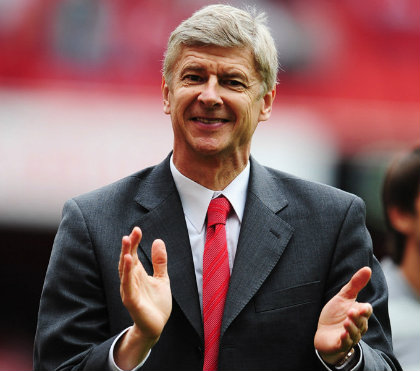
Arsenal Football Club boasts one of the most storied, romantic, and culturally significant histories in English football. From their dominant, brick-and-mortar eras at the iconic, art-deco Highbury stadium to their modern, high-tech residency at the Emirates, the Gunners have consistently been defined by a deep commitment to beautiful, expansive, and technically superior football. This distinct identity was not formed by accident; it was forged in the fire of competition by a select group of legendary figures whose influence went far beyond winning trophies. These individuals completely altered the tactical, physical, and philosophical trajectory of the North London club.
While hundreds of talented players and managers have worn the famous red and white shirt over the past century, a rare few transcended their roles on the pitch to become eternal architects of the club’s soul. They challenged the established norms of English football, introduced revolutionary ideas, and established a global brand that continues to inspire millions of supporters worldwide.
The transformation of Arsenal into a modern global powerhouse was driven by several key legends who redefined the sport:
- Arsène Wenger: The visionary French manager who arrived in 1996 and revolutionized English football. He introduced modern sports science, advanced nutritional regimes, and a breathtaking, fluid passing style that permanently altered the tactical landscape of the Premier League.
- Thierry Henry: The ultimate embodiment of Wenger’s philosophy. Henry’s extraordinary pace, elegance, and lethal finishing did not just break club scoring records; he redefined the role of the modern forward and brought an unprecedented level of global charisma to the club.
- Tony Adams: Known eternally as “Mr. Arsenal.” As the ultimate captain, Adams provided the psychological bedrock and fierce defensive resilience that anchored the team through multiple transitional eras, proving that technical flair must always be balanced with steel.
- Dennis Bergkamp: The “Non-Flying Dutchman” elevated the technical standard of the entire English game. His spatial awareness, sublime first touch, and visionary passing turned Arsenal’s attacking play into a genuine art form, inspiring both teammates and opponents.
These legends established a gold standard of entertainment and stylistic perfection that fans still deeply crave today. This appreciation for classic, nostalgic brilliance paired with modern, high-tech execution is a common human trait that extends far beyond the football pitch and into how modern consumers choose to spend their digital leisure time. For instance, enthusiasts looking to capture that exact blend of retro charm and fast-paced, modern excitement frequently turn to a hot hot fruit demo. By engaging with these vibrant, classic-style digital games, users experience the familiar, nostalgic aesthetics of traditional arcade fruit machines, completely powered by cutting-edge math models and modern algorithms—perfectly echoing how Arsenal respects its historic roots while continuously pushing the boundaries of modern innovation.
The Wenger Revolution: Synthesizing Science and Art
When Arsène Wenger arrived in North London in 1996, English football was notoriously insular, characterized by a physical, direct style of play and a drinking culture among players. Wenger quietly dismantled this established order. He hired specialized chefs to completely overhaul the players’ diets, introduced rigorous stretching routines, and utilized advanced data analytics long before it became a standard industry practice.
More importantly, he changed how the game was played. Wenger’s Arsenal prioritized possession, rapid short passing, and fluid player rotations. This reached its peak in the legendary 2003-2004 season, where the “Invincibles” went an entire Premier League campaign undefeated—a feat that has never been replicated. Wenger proved that football could be both highly efficient and beautiful, establishing a cultural expectation at Arsenal that remains a core part of the club’s identity today.
Maintaining the Highbury DNA at the Emirates Stadium
The transition from the beloved, intimate Highbury to the massive, corporate Emirates Stadium in 2006 was a highly difficult period for the club, both financially and emotionally. The physical move threatened to dilute the historic atmosphere and soul that the club’s legends had built over decades.
However, the legacy of players like Henry, Adams, and Bergkamp served as the psychological bridge during this transition. The club erected statues of these icons around the new stadium, ensuring that the modern arena remained anchored to its rich heritage. Today, as Arsenal consistently challenges for Premier League and Champions League titles, the current squad is not merely playing to win; they are playing to honor the artistic, uncompromising standard established by the legends who changed the club forever.

Latest News
-
 Arsenal in contact to sign Real Madrid forward Rodrygo Goes
Arsenal are reportedly maintaining contact over a deal to...
- September 16, 2026
-
Arsenal ready to make move to sign Barcelona’s Fermin Lopez
Arsenal are reportedly prepared to launch an ambitious swoop...
- September 16, 2026
-
Confirmed line-ups: Ipswich Town vs Arsenal – Dowman and Guimaraes start
Arsenal will be looking to continue their excellent start...
- September 15, 2026