- Arsenal battling with PL rivals to sign Feyenoord’s Read
- Pundit slams Arsenal’s Raya for poor display vs Brighton
- Confirmed line-ups: Brighton vs Arsenal – Bruno & Timber start for Gunners
- Predicted Arsenal line-up against Brighton & Hove Albion
- Arsenal eye move to sign Bournemouth’s Eli Junior Kroupi
- Arsenal interested in signing Liverpool’s Rio Ngumoha
- Arsenal in fierce battle to sign Man Utd’s JJ Gabriel
- Arsenal eye move to sign Sturm Graz’s Luca Weinhandl
- Arsenal in contact to sign Real Madrid forward Rodrygo Goes
- Arsenal ready to make move to sign Barcelona’s Fermin Lopez
Did Lionel Messi Go Too Far at the 2026 World Cup?
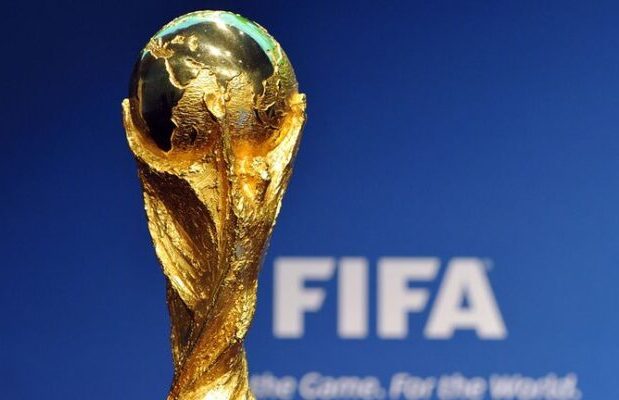
For most football supporters, Lionel Messi has earned a reputation as one of the sport’s most respected competitors.
Throughout his career, discussions about him have usually revolved around his extraordinary vision, technical brilliance, and ability to decide matches when the stakes are highest. Controversy has rarely been part of that conversation.
That changed, at least briefly, during the 2026 FIFA World Cup Final.
With Argentina chasing Spain in one of the biggest football matches, cameras caught Messi appealing to referee Slavko Vinčić after Spain defender Marc Cucurella covered his mouth while speaking during an on-field exchange.
Messi appeared to point toward his mouth while arguing that the action warranted a dismissal under FIFA’s recently introduced rule targeting players who intentionally conceal their speech in confrontational situations.
The referee disagreed. Play continued, no red card was shown, and the incident quickly became one of the most debated moments of the final outside Ferran Torres’ extra-time winner.
It wasn’t because Messi committed a foul or displayed unsporting behavior.
Instead, the debate centered on a simple question that football fans continue to ask: Was Messi trying to ensure the rules were enforced, or was he attempting to influence the referee during the biggest match of the tournament?
Understanding Why the Incident Became So Controversial
Part of the confusion came from a certain rule.
Ahead of the tournament, FIFA emphasized stricter enforcement against players who deliberately covered their mouths while speaking during confrontations.
The measure was introduced to discourage hidden abusive language, discriminatory remarks, and situations where officials could not properly assess player conduct.
Because the rule was still relatively new, many supporters were unfamiliar with exactly how referees were expected to interpret it.
When Cucurella briefly covered his mouth while talking, Messi immediately appealed for action. From one perspective, that reaction made complete sense.
Players are encouraged to expect officials to apply the Laws of the Game consistently, regardless of the occasion or the individuals involved.
Others, however, viewed the moment differently.
Critics argued that asking for a sending-off over an incident that did not appear openly aggressive crossed the line into gamesmanship.
They believed Messi was attempting to gain a competitive advantage rather than simply seeking consistency from the officiating team.
The referee ultimately sided with neither public narrative. He allowed play to continue, while VAR also chose not to intervene, suggesting the officials did not believe the situation met the threshold for a dismissal.
That decision immediately shifted the discussion from the rule itself to Messi’s reaction.
Is Appealing to the Referee Really Unsporting?
Football has always accepted a certain amount of dialogue between players and referees.
Captains question decisions. Defenders appeal for offside. Forwards demand penalties. Goalkeepers argue over added time.
The difference here was the stage.
Everything that happens during a World Cup final is magnified. Every replay is dissected from multiple angles, while every gesture becomes part of a global conversation.
Had another player made the same appeal, the moment might have disappeared within minutes. Because it involved Messi, one of football’s greatest figures, supporters naturally expected a higher standard of composure.
Others argued that expecting him not to advocate for his team during a World Cup Final would be equally unrealistic.
Both viewpoints have merit.
After all, elite athletes compete to win. Appealing for what you believe is the correct application of the rules has long been part of football’s competitive culture.
At the same time, supporters also admire players who allow officials to make decisions without visible pressure.
It’s a balance that has never been easy to define.
Interestingly, the discussion highlights something much broader than one player or one decision. Football, much like a GameZone rebate, depends on consistency.
Just as players expect rules to be enforced fairly regardless of the match, reward systems are valued when they apply the same standards to everyone instead of changing from one situation to another.
One Moment Doesn’t Define Messi’s Legacy
The reaction online showed just how divided football fans remain.
Some believed Messi did nothing wrong. They argued he simply expected the referee to enforce a regulation that FIFA itself had introduced before the tournament.
If players cannot ask for the rules to be applied consistently, what purpose do those rules serve?
Others felt differently.
To them, appealing for a potential red card in the middle of a World Cup Final reflected the growing culture of players trying to influence officiating decisions.
Neither interpretation changes what happened afterward.
Messi completed the match, accepted Argentina’s defeat, congratulated Spain publicly, and acknowledged that the better team had won on the night.
Perhaps that’s why the appeal continues to spark discussion.
It wasn’t an act of obvious misconduct, nor was it an example of unquestionable sportsmanship.
Instead, it occupied the gray area where football often becomes most fascinating, a moment shaped as much by individual perspective as by the rules themselves.
Years from now, supporters will likely remember Spain lifting the trophy before they remember the exchange between Messi, Cucurella, and the referee.
But for those who enjoy debating the finer details of football, that appeal remains an intriguing reminder that even the greatest players can divide opinion when everything is on the line.

Latest News
-
 Arsenal battling with PL rivals to sign Feyenoord’s Read
Arsenal are reportedly battling with Premier League rivals over...
- September 22, 2026
-
Pundit slams Arsenal’s Raya for poor display vs Brighton
Former forward turned pundit Clinton Morrison has slammed Arsenal...
- September 21, 2026
-
Confirmed line-ups: Brighton vs Arsenal – Bruno & Timber start for Gunners
Arsenal are looking to maintain their perfect start to...
- September 19, 2026