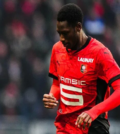
- Arsenal now eyeing move for Werder Bremen starlet Karim Coulibaly
- Arsenal join race to sign exciting Rennes midfielder Djaoui Cisse
- Arsenal have ‘strong interest’ in Newcastle forward Anthony Gordon
- Arsenal in talks to sign Maghnes Akliouche from Monaco
- Arsenal now eyeing move for Leipzig centre-back Castello Lukeba
- Confirmed line-ups: Arsenal vs Bournemouth – Havertz and Lewis-Skelly start for Gunners
- Predicted Arsenal line-up vs AFC Bournemouth
- Arsenal interested in signing AZ Alkmaar’s Kees Smit
- Mikel Arteta provides Arsenal injury update on Eze, Timber & Saka
- Arsenal in talks to sign Hoffenheim winger Bazoumana Toure
From Fan Opinion to Influence: The Growing Power of Arsenal-Centric Media

Football media has changed dramatically in recent years, particularly around top Premier League clubs like Arsenal FC, where discussion and engagement can feel as fast moving and unpredictable as online slots in the Philippines, with narratives shifting rapidly depending on the latest performance, rumour, or tactical debate. Traditional newspapers and broadcast coverage are no longer the only sources of insight. Instead, fan-focused platforms have emerged as major contributors to how the game is discussed and interpreted.
Arsenal-centric media outlets now provide constant updates, tactical analysis, opinion pieces, and transfer discussion tailored specifically to supporters of the club. This shift reflects a broader change in how fans consume football content, favouring depth and frequency over general coverage.
Deeper analysis beyond headlines
One of the defining features of these platforms is their focus on detail. Rather than simply reporting results or summarising matches, they often break down tactical decisions, player positioning, and performance trends.
For example, discussions around Arsenal’s pressing structure, build-up play, or midfield balance are common topics. This level of analysis helps fans develop a more informed understanding of what is happening on the pitch, beyond what is visible in match highlights.
As a result, these platforms are not just reporting football news, they are interpreting it for a highly engaged audience.
How fan media influences wider narratives
Fan-driven platforms are no longer isolated spaces. When a well-argued opinion or detailed analysis gains traction, it can quickly spread across social media and enter mainstream football conversation.
This creates a situation where fan perspectives can influence broader narratives about a club. If a particular tactical issue or transfer need is widely discussed within Arsenal communities, it can eventually become a topic covered by larger media outlets.
In this sense, influence now flows in both directions. Traditional media still sets agendas, but fan platforms increasingly shape how those agendas are discussed and understood.
The role of social media amplification
Social media has played a major role in this shift. Content can be shared instantly across platforms, allowing ideas to spread far beyond their original audience. A tactical thread, opinion article, or video breakdown can reach thousands of fans within hours.
This amplification means that fan sentiment is more visible than ever before. When large groups of supporters share similar views, it can create momentum around certain narratives, whether related to tactics, recruitment, or managerial decisions.
Responsibility in a fast-moving environment
With greater influence comes increased responsibility. The line between informed analysis and speculation can sometimes become blurred, especially during transfer periods when information is limited and rumours are frequent.
Maintaining credibility requires careful interpretation of sources, balanced opinions, and avoiding overreaction to unverified claims. Platforms that succeed in this space tend to be those that prioritise accuracy and thoughtful analysis over speed alone.
Conclusion: a more participatory football culture
The rise of Arsenal-centric media reflects a wider shift in football culture. Fans are no longer passive consumers of content but active participants in shaping discussion around their clubs.
This has created a more engaged and informed fanbase, but also a faster-moving and sometimes more volatile media environment. As this ecosystem continues to grow, the influence of fan opinion is likely to become even more significant in how football narratives are formed and sustained.

Latest News
-
 From Fan Opinion to Influence: The Growing Power of Arsenal-Centric Media
Football media has changed dramatically in recent years, particularly...
- April 13, 2026
-
Arsenal now eyeing move for Werder Bremen starlet Karim Coulibaly
Arsenal have joined the race to sign highly rated...
- April 13, 2026
-
Arsenal join race to sign exciting Rennes midfielder Djaoui Cisse
Arsenal have expressed interest in signing highly rated French...
- April 12, 2026